

Shortness of Breath with Mesothelioma: Causes Medical Treatments and Coping Strategies
By: Christopher M. Placitella Jul 1, 2026
Updated: August 31, 2026
Shortness of breath, also called dyspnea, is one of the most common symptoms our clients with mesothelioma describe. It can range from mild breathlessness during activity to severe difficulty breathing even at rest.
Key Takeaways
- Shortness of breath is one of the most common mesothelioma symptoms, caused by tumors, pleural effusion, asbestosis related scarring, or cancer involving the lung lining.
- Medical treatments include draining fluid, supplemental oxygen, medications, and treating the cancer itself, while non-medical strategies like fan therapy, positioning, and pursed lip breathing can also help.
- Sudden, severe shortness of breath, especially with chest pain, blue lips, or confusion, is a medical emergency that requires immediate care.
- Cohen, Placitella, Roth & Goslee has represented mesothelioma patients and families for more than 40 years and offers a free consultation.
What Causes Shortness of Breath in Mesothelioma
- Tumor growth — tumors can physically restrict lung expansion or press on airways
- Pleural effusion — fluid buildup between the lung and chest wall reduces the lung’s ability to expand; see our guide to pleural effusion
- Asbestosis-related scarring — lung tissue scarring from asbestos exposure reduces lung capacity over time
- Involvement of the lung lining — cancer affecting the pleura itself can restrict normal breathing mechanics
Medical Treatments That Can Help
- Draining fluid — thoracentesis or a PleurX catheter can relieve pressure caused by pleural effusion
- Supplemental oxygen — helps maintain adequate oxygen levels and reduce the sensation of breathlessness
- Medications — certain drugs can help ease breathing discomfort and reduce anxiety associated with dyspnea
- Treating the cancer itself — chemotherapy, radiation, or surgery may shrink tumors and improve breathing over time
Non-Medical Coping Strategies
- Fan therapy — a gentle stream of air directed at the face can reduce the sensation of breathlessness
- Positioning — sitting upright or leaning forward slightly can make breathing easier
- Pursed-lip breathing — breathing out slowly through pursed lips helps keep airways open longer
When to Seek Emergency Care
Certain warning signs mean you should seek emergency medical attention right away:
- Sudden, severe shortness of breath that comes on quickly
- Chest pain accompanying the breathing difficulty
- Blue-tinged lips or fingernails
- Confusion or disorientation
- Signs of a possible heart attack, such as pressure in the chest, pain radiating to the arm or jaw, or sweating
If you or a loved one experiences any of these warning signs, call 911 or go to the emergency room immediately.
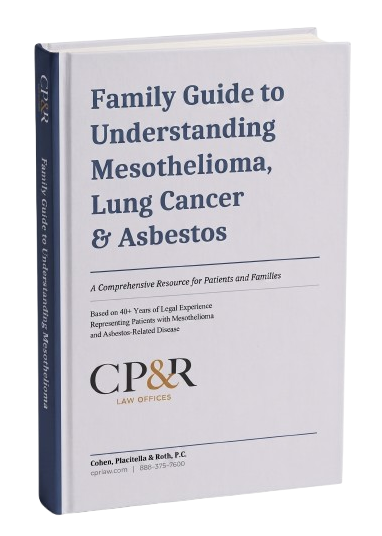
Download the Free Family Guide to Understanding Mesothelioma, Lung Cancer, & Asbestos
Our 100+ page Family Guide to Understanding Mesothelioma, Lung Cancer & Asbestos walks you and your family through diagnosis, treatment options, and your legal rights, in plain language, at no cost.
Talk to Cohen, Placitella, Roth & Goslee About Your Diagnosis
Shortness of breath can be frightening, but a combination of medical treatment and coping strategies can meaningfully improve day-to-day comfort. Our mesothelioma attorneys have represented patients and families for more than 40 years. Contact Cohen, Placitella, Roth & Goslee for a free consultation. Call us at (888) 324-7683 or contact us online. We work on a contingency fee basis. You pay nothing unless we recover compensation for you.
Attorney Advertising. Prior results do not guarantee a similar outcome. This article is for informational purposes only and does not constitute legal or medical advice. Consult a qualified healthcare provider regarding diagnosis and treatment, and a qualified attorney regarding your legal rights. Cohen, Placitella, Roth & Goslee, P.C. is licensed to practice in New Jersey, Pennsylvania, and other jurisdictions, and represents clients nationwide with qualified co-counsel.
Meet Our Asbestos & Mesothelioma Attorneys
-

Christopher M. Placitella
Shareholder VIEW BIO -

Rachel A. Placitella
Member VIEW BIO -

Jared M. Placitella
Member VIEW BIO -

Justin I. Placitella
Associate VIEW BIO -

Drew M. Renzi
Associate VIEW BIO


Get the Legal Help You Need Today
Please fill out this form to schedule your free consultation. Questions? Review our FAQs.
Footer Contact Form
"*" indicates required fields
This site is protected by reCAPTCHA and the Google Privacy Policy and Terms of Service apply.