

Pleural Mesothelioma: Symptoms Diagnosis and Treatment Options
By: Christopher M. Placitella Jun 24, 2026
Updated: August 31, 2026
Pleural mesothelioma forms in the pleura — the thin membrane that lines the lungs and chest wall. It is the type of mesothelioma most commonly diagnosed, and the one CPR&G sees most often in our practice.
Key Takeaways
- Pleural mesothelioma forms in the pleura, the lining around the lungs, and accounts for approximately 75% of all mesothelioma cases.
- Common symptoms include shortness of breath, chest pain, a persistent cough, fatigue, weight loss, and pleural effusion.
- Diagnosis requires imaging plus a biopsy, using thoracentesis, a needle biopsy, or thoracoscopy (VATS).
- Treatment may include surgery, chemotherapy, radiation, immunotherapy, or clinical trials, and Cohen, Placitella, Roth & Goslee offers a free consultation for patients and families.
Symptoms of Pleural Mesothelioma
Based on what our clients report and a review of their medical records, common symptoms include:
- Shortness of breath — difficulty breathing during activity or rest
- Chest pain or tightness — discomfort in the chest area
- Persistent cough — ongoing coughing that does not go away
- Fatigue and weight loss — feeling tired and losing weight without explanation
- Pleural effusion — fluid buildup in the chest; read more about pleural effusion and how it is managed
These symptoms can resemble minor health issues and may be overlooked. If you have a history of asbestos exposure and experience these symptoms, tell your doctor immediately.
How Pleural Mesothelioma Is Diagnosed
Doctors typically start with chest X-rays, CT scans, PET scans, and pulmonary function tests. A biopsy, however, is the only definitive test. Your doctor may use one of the following:
- Thoracentesis — a thin needle removes excess fluid from the chest, relieving symptoms and providing cells for testing
- Needle biopsy — a needle inserted through the chest wall collects tissue for examination
- Thoracoscopy (VATS) — a small camera and instruments inserted through small chest incisions allow direct viewing of the pleura and offer high diagnostic accuracy
Treatment Options
Treatment for pleural mesothelioma is typically multimodal and may include:
- Surgery — removes tumors or drains fluid to relieve symptoms or improve outcomes
- Chemotherapy — typically cisplatin combined with pemetrexed (Alimta)
- Radiation therapy — helps shrink tumors and relieve pain in affected areas
- Immunotherapy — newer drugs such as nivolumab and ipilimumab that help the immune system fight the cancer
- Clinical trials — experimental therapies being tested but not yet FDA-approved
It is completely natural to have questions for your doctor after a diagnosis — what stage the disease is at, whether you are a candidate for surgery, and whether a second opinion from a mesothelioma specialist makes sense.
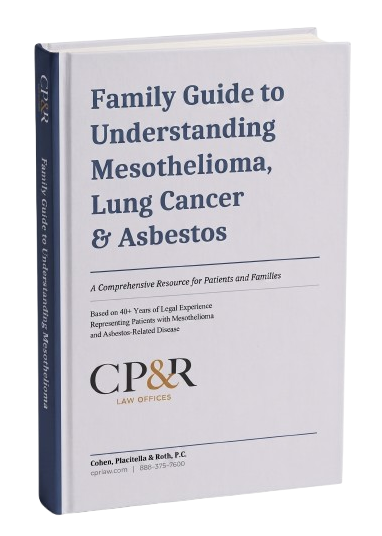
Download the Free Family Guide to Understanding Mesothelioma, Lung Cancer, & Asbestos Book
Our 100+ page Family Guide to Understanding Mesothelioma, Lung Cancer & Asbestos walks you and your family through diagnosis, treatment options, and your legal rights, in plain language, at no cost.
Talk to Cohen, Placitella, Roth & Goslee About Your Diagnosis
Pleural mesothelioma is the most common form of this disease, but every case is different. Our mesothelioma attorneys have represented patients and families for more than 40 years. Contact Cohen, Placitella, Roth & Goslee for a free consultation. Call us at (888) 324-7683 or contact us online. We work on a contingency fee basis. You pay nothing unless we recover compensation for you.
Attorney Advertising. Prior results do not guarantee a similar outcome. This article is for informational purposes only and does not constitute legal or medical advice. Consult a qualified healthcare provider regarding diagnosis and treatment, and a qualified attorney regarding your legal rights. Cohen, Placitella, Roth & Goslee, P.C. is licensed to practice in New Jersey, Pennsylvania, and other jurisdictions, and represents clients nationwide with qualified co-counsel.
Meet Our Asbestos & Mesothelioma Attorneys
-

Christopher M. Placitella
Shareholder VIEW BIO -

Rachel A. Placitella
Member VIEW BIO -

William L. Kuzmin
Member VIEW BIO -

Jared M. Placitella
Member VIEW BIO -

Justin I. Placitella
Associate VIEW BIO -

Drew M. Renzi
Associate VIEW BIO


Get the Legal Help You Need Today
Please fill out this form to schedule your free consultation. Questions? Review our FAQs.
Footer Contact Form
"*" indicates required fields
This site is protected by reCAPTCHA and the Google Privacy Policy and Terms of Service apply.